

Introduction
LED strip lights may appear simple compared with large commercial fixtures, but they continue to play an essential role in retail display, architectural detailing, hospitality design, and accent lighting. When chosen and installed correctly, they add visibility, visual depth, and a polished aesthetic without demanding significant space or structural modification.
Where LED Strip Lights Deliver the Most Value
LED strip lights are most commonly used for under-cabinet lighting, display-case illumination, shelving accents, signage backlighting, cove lighting, and architectural edge detailing. Aglare USA’s LED strip category includes flexible strip products with dimming support, project installation services, and specifications suited to both commercial and residential applications.
Flexibility Is the Core Advantage
The defining benefit of LED strip lights is physical flexibility. They conform to curves, fit into narrow channels, and integrate cleanly into spaces where rigid fixtures would look bulky or intrusive. For designers and contractors, this flexibility unlocks options for both visible accent lighting and concealed cove illumination that larger fixtures simply cannot achieve.
How Accent Lighting Changes the Perception of a Space
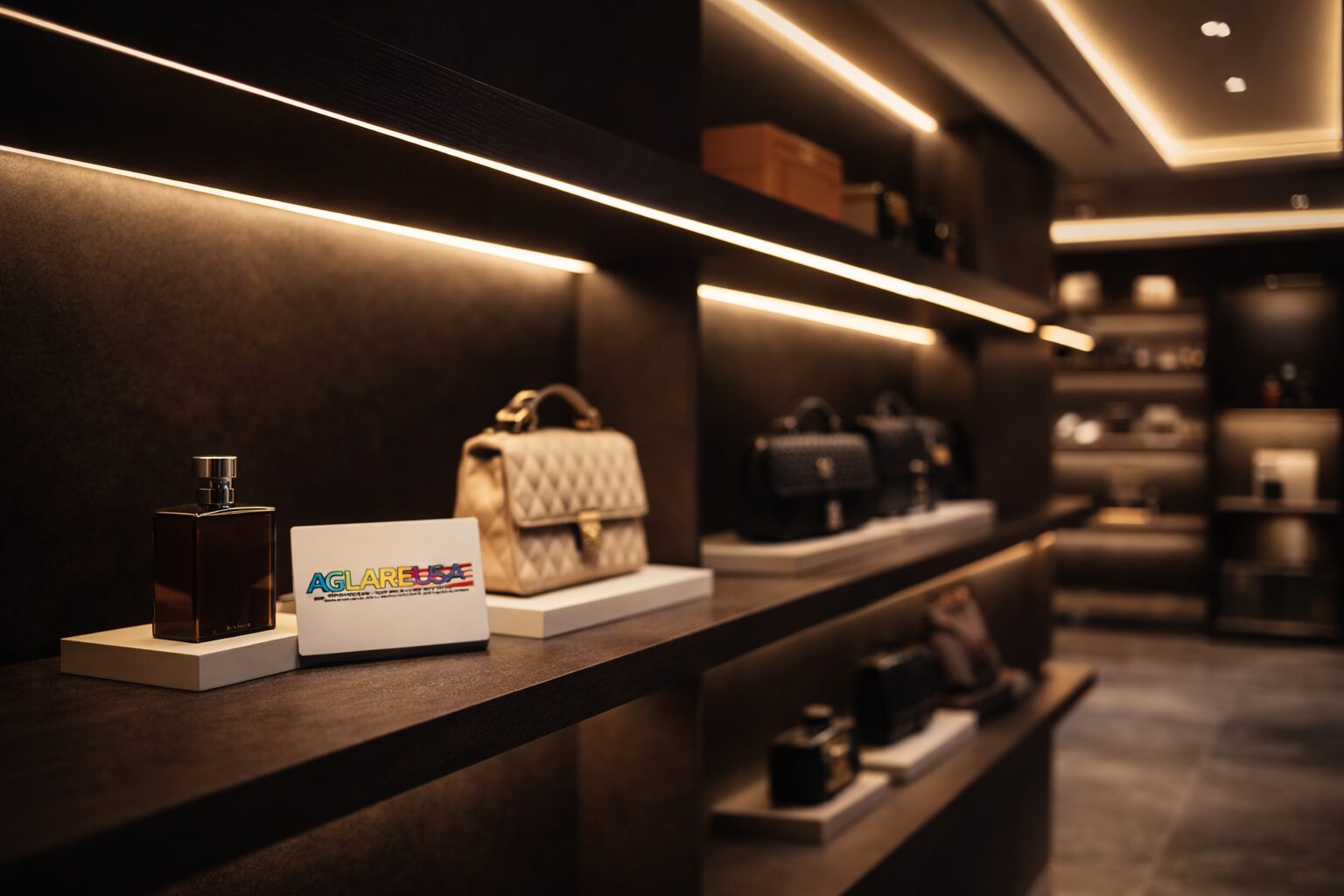
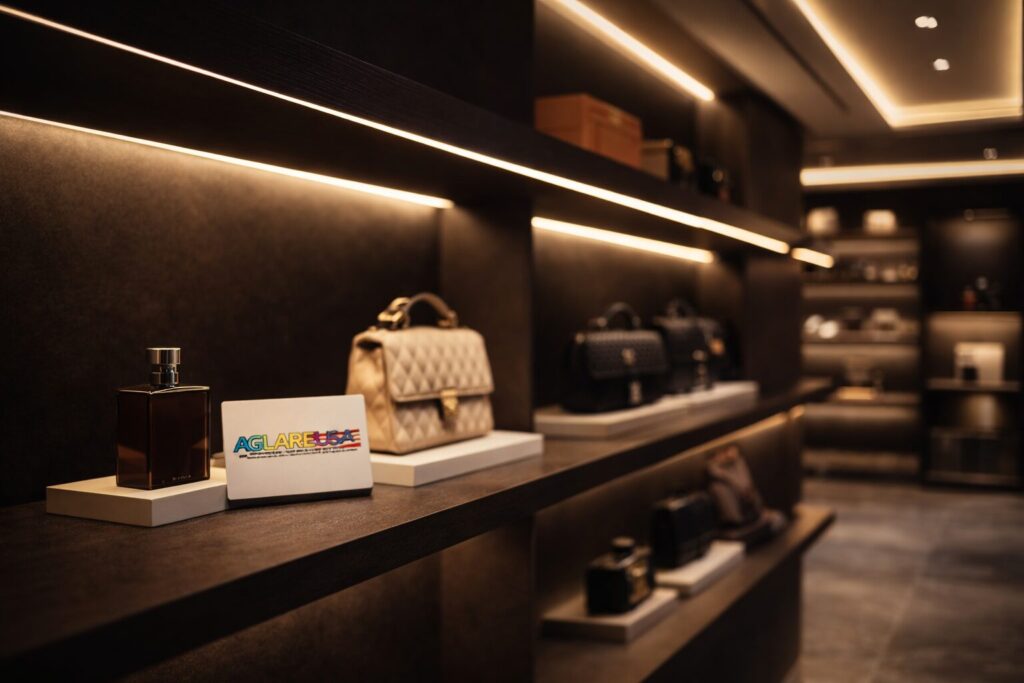
Accent lighting is not purely decorative — it has measurable commercial impact. In retail environments, targeted strip lighting can increase product visibility and draw customer attention to featured merchandise. In hospitality spaces, it creates warmth and visual comfort. In architectural applications, it emphasizes materials, edges, and structural forms that would otherwise disappear into shadow.
Color Temperature, Dimming, and Control
When selecting LED strip lights, color temperature should align with the environment and design intent. Warmer options (2700K–3000K) create a softer, more inviting atmosphere suited to hospitality and residential spaces. Cooler temperatures (4000K–5000K) support brighter task and retail environments.
Dimming capability adds another layer of control, allowing the same strip to serve different moods throughout the day. Aglare USA offers dimmable strip light options — a key feature for projects that need flexibility after installation.
Installation Details That Affect Long-Term Performance
Even a simple strip light installation deserves careful planning. Verify voltage (12V vs. 24V), IP rating (dry location vs. damp/wet), control mode (on/off, dimmer, DMX), and the installation surface before selecting a product. Adhesion method, heat dissipation, LED driver compatibility, and wire run length all affect reliability and output consistency over time.
Commercial Value Beyond Decoration
LED strip lights deliver value precisely because they solve a practical problem in a compact, energy-efficient way. They improve visual merchandising in retail, add a finished look to architectural interiors, and help direct attention in branding applications without overwhelming the surrounding design.
Conclusion
LED strip lights remain relevant because they fill a role that no other fixture type can match — flexible, low-profile accent and detail lighting for spaces that demand a clean, professional finish.
Planning a retail, hospitality, or architectural lighting project? Request a quote from Aglare USA to explore flexible strip light options.

0 Comments